
Understanding the psychology of gambling why we take risks in casinos
The Allure of Risk and Reward
The psychology behind gambling is deeply rooted in the human psyche. At its core, gambling offers a compelling mix of risk and reward that captivates individuals. The thrill of potential financial gain can create a euphoric rush, triggering the brain’s reward pathways. This sensation mirrors the excitement of taking significant risks in other aspects of life, reinforcing the idea that reward often follows risk. As people engage in gambling activities, they often become engrossed in the possibility of winning big, which can cloud their judgment. This is especially true in a bustling environment like the MythosWin casino, where excitement and competition thrive alongside the possibility of winning. You can find more about it at mythoswincasinoonline.com.
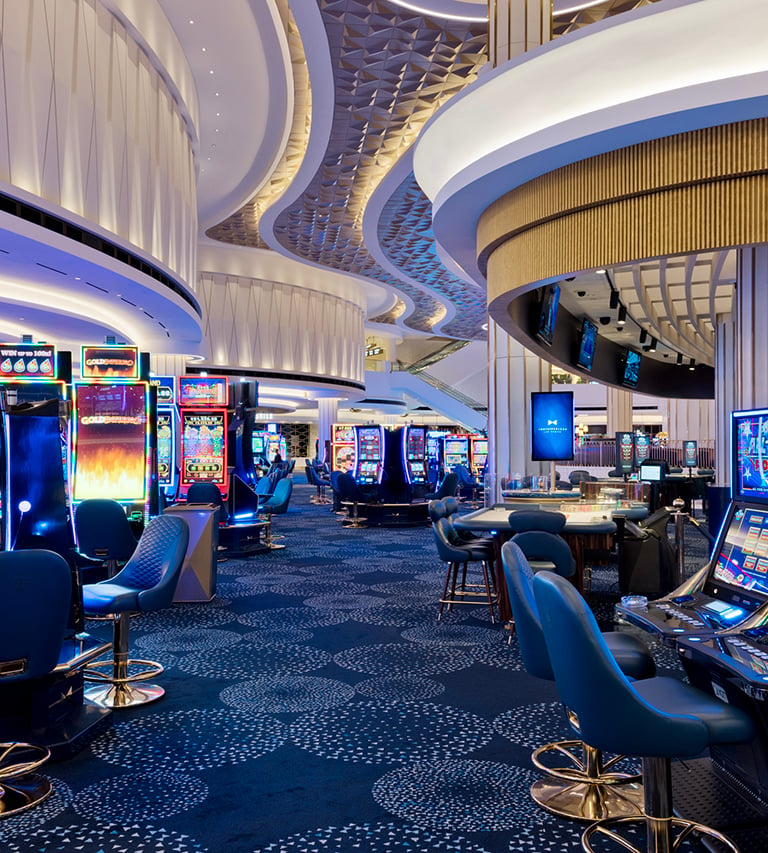
Moreover, this allure is heightened by the social environment of casinos. The vibrant lights, upbeat music, and the collective energy of fellow gamblers foster an atmosphere of excitement. This communal aspect can amplify feelings of camaraderie and shared anticipation, making the act of gambling feel less isolating. Many individuals find that the social interactions involved in gambling enhance their overall experience, further deepening their engagement with these activities.
However, it’s essential to recognize that this thrill is often coupled with a propensity to underestimate risks. Many gamblers fall prey to cognitive biases that skew their perception of odds. For example, the “gambler’s fallacy” leads individuals to believe that past outcomes influence future chances, even in games of chance like slots or roulette. Understanding these psychological nuances is crucial for both gamblers and those who wish to comprehend the complexities behind their choices in a casino setting.
Emotional Triggers in Gambling
Emotions play a pivotal role in the gambling experience, often driving individuals to take risks they might otherwise avoid. For many, gambling serves as an escape from stress or negative emotions. The adrenaline rush associated with placing bets can provide a temporary distraction from daily life, creating a sense of thrill that alleviates boredom or anxiety. This emotional high can reinforce the desire to gamble, leading individuals to return for that same sensation time and again. Exploring these dynamics is essential for anyone frequenting places like the MythosWin casino.
Furthermore, feelings of loss can also spur individuals to gamble more. The concept of “chasing losses” is a common psychological phenomenon where gamblers feel compelled to recover what they’ve lost. This can lead to a vicious cycle where emotions dictate betting behavior, often resulting in greater financial loss. Understanding this emotional connection is critical to grasping why individuals might take extreme risks in casinos, as it speaks to broader issues of emotional regulation and decision-making.
Lastly, the role of anticipation can’t be overlooked. The build-up to a potential win creates a cocktail of emotions, heightening the overall experience. The uncertainty of outcomes triggers excitement and engagement, often leading individuals to seek out gambling experiences repeatedly. Recognizing how emotional triggers impact gambling behavior can help individuals become more aware of their motivations, fostering healthier gambling practices.
The Impact of Cognitive Biases
Cognitive biases significantly shape gambling behavior, often leading individuals to make illogical decisions. One prevalent bias is the illusion of control, where gamblers believe they can influence the outcome of random games through skill or strategy. This misconception leads many to engage in riskier bets, convinced they have a better chance of winning than the odds suggest. Such biases can cause irrational behavior, where emotional investment overshadows logical reasoning.
Another common cognitive trap is the overestimation of the likelihood of winning. Many gamblers recall their victories more vividly than their losses, creating a skewed perception of their success rate. This selective memory fosters a sense of confidence that encourages repeated gambling, despite the overall unfavorable odds. By recognizing these cognitive biases, individuals may become more adept at navigating their gambling habits, helping them make more informed decisions.
Moreover, the framing effect also plays a significant role in gambling psychology. How information is presented can drastically alter an individual’s perception of risk. For instance, advertising that highlights success stories can lure in new gamblers by framing risk in a more favorable light. This manipulation of perception highlights the need for gamblers to develop critical thinking skills to better assess their choices and avoid becoming entrapped by misleading narratives.
The Role of Environment in Gambling Psychology
The environment of a casino is meticulously designed to entice and engage gamblers. Factors such as lighting, sounds, and even the layout of the gaming floor contribute to the psychological experience of gambling. Bright lights and upbeat music stimulate excitement, while the strategic arrangement of machines and tables encourages players to immerse themselves in the action. This immersive environment can heighten the sense of urgency, pushing individuals to make faster and riskier bets.
In addition, the absence of clocks and windows within casinos adds to the sense of disorientation. Many gamblers lose track of time, leading them to spend more than they initially intended. This manipulation of the physical space can exacerbate the psychological aspects of gambling, resulting in extended play and increased financial risks. Understanding the effects of these environmental cues allows gamblers to be more conscious of their surroundings and their potential impact on decision-making.
Social factors also play a crucial role in how individuals engage with gambling. Observing others winning can create a bandwagon effect, compelling new players to join in with the hope of experiencing similar success. This collective behavior can obscure the reality of gambling odds, leading individuals to overlook the inherent risks associated with their choices. By acknowledging these environmental and social influences, individuals can better navigate their gambling experiences, ultimately leading to more responsible decision-making.

Your Path to Understanding Gambling Behavior
Gambling is a complex interplay of psychology, emotions, and environment, making it a fascinating subject for both casual players and researchers. Understanding the intricate motivations behind why individuals take risks in casinos can empower people to make more informed choices. By developing awareness of cognitive biases, emotional triggers, and environmental factors, gamblers can foster healthier habits and mitigate the risks associated with gambling.
For those interested in exploring these concepts further, resources abound for education and support. Engaging with communities that discuss gambling behavior and sharing personal experiences can provide valuable insights. Additionally, tools and strategies for responsible gambling can enhance one’s understanding, promoting a balanced approach to this captivating activity.
As you delve deeper into the psychology of gambling, remember that awareness is key. Recognizing the forces at play in your gambling experiences will enable you to navigate the complexities of risk and reward more effectively. Embrace a journey of self-discovery that not only enriches your understanding of gambling but also empowers you to make choices that align with your values and well-being.

No comment yet, add your voice below!